
Our Pathway, Built for Saint John
Zero30 is a flexible roadmap that supports a reliable, affordable energy future while helping our community move toward lower emissions.
Grounded in science and community needs
Two big trends are transforming the energy landscape and driving the need for change.
Electricity demand is rising.
As more people choose electric vehicles, heat pumps, and other efficient electric technologies, electricity use in Saint John is expected to increase by 5-35% by 2030.
We must lower emissions.
Electricity used in our community creates about 180,000 tonnes of greenhouse gas emissions each year. Without action, those emissions could continue to rise. Zero30 helps us explore practical ways to bring them down over time.
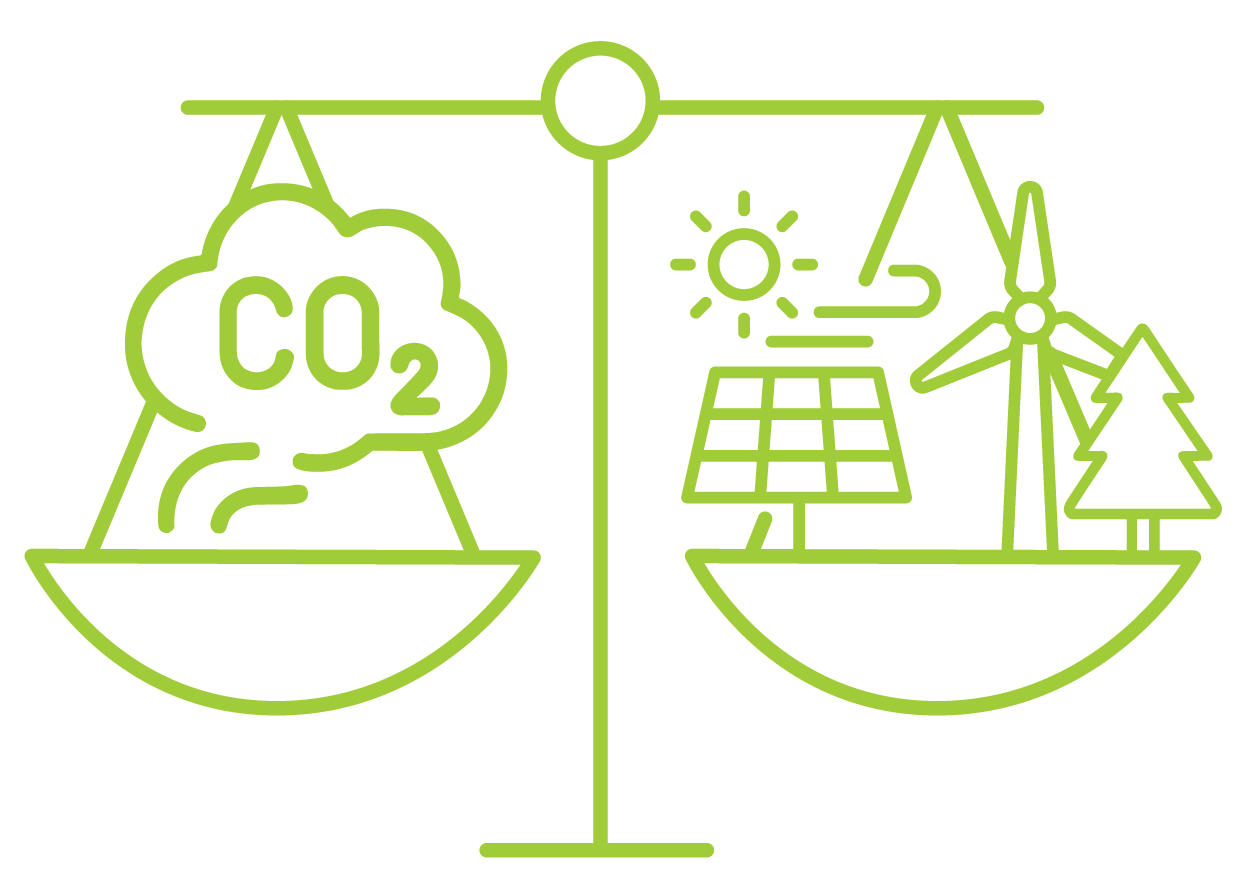
Understanding net zero
Net zero means balancing the emissions we create with actions that reduce or remove them. Many governments and utilities are exploring pathways toward a lower-carbon future.
A journey, not a destination
Zero30 is designed to change with the times. What began in 2023 as a planning and engagement effort has grown into a flexible, continually updated roadmap. The latest version, released in 2025, reflects new modelling, new ideas, and feedback from our community.
Rates
Zero30 supports a cleaner future while helping protect customers from additional costs.
Reliability
Zero30 helps ensure we can meet rising electricity needs while maintaining the dependable service customers count on.
Evidence
Zero30 uses real data on technology trends, adoption rates and more, to explore different future scenarios.
Community Voices
Customers told us they want tools to manage their energy use, not new costs or mandatory programs. This helps guide every Zero30 decision.
Progress relies on partnership
Zero30 is built in collaboration with the federal government, global consultants, provincial utilities, technology innovators, Indigenous partners, our customers, and the people of Saint John.





Meeting demand, responsibly
Moving toward a cleaner future takes progress in three areas: a cleaner provincial grid, increased renewable energy generation in our community, and high-quality offsets for the small portion of emissions that remain.
Pillar 1
Cleaner Energy
We are exploring opportunities to add more local wind and solar power, expand energy storage, and use smart grid technologies.
-
Ten-turbine, 42-megawatt wind farm in west Saint John strengthens our clean energy supply mix.
Provides up to 15% of electricity demand
43,000+ tonnes of emissions avoided annually
Co-owned with Neqotkuk and Natural Forces
-
In partnership with Neqotkuk (Tobique First Nation) and Universal Kraft, Saint John Energy is developing the largest solar energy project in our province’s history.
18,000+ solar panels will convert sunlight into electricity
Expected to generate enough electricity to power about 1,200 homes each year
Modelling indicates the project could support emissions reductions on the order of 10,000+ tonnes per year, depending on how and where the associated environmental attributes are claimed
-
In 2019, Saint John Energy became the first utility in the world to deploy a Tesla Megapack. These utility‑scale batteries store electricity to help reduce peak‑hour costs and support the integration of more renewable generation over time.
First unit installed in 2019
Added three new, bigger Tesla Megapacks
New models have increased storage and output
-
Our smart grid uses data and digital tools to distribute power more efficiently and improve reliability.
-
Some emissions will remain. We’re exploring future options, such as local forest-based projects, that can help balance them in ways that benefit the local environment and community.
Pillar 2
Planning for Rising Demand
Advanced technology, strategic investments, and utility partnerships move the dial.
-
A digital twin is a virtual model of our grid that helps us predict how and where electricity use will grow. It is one of the most advanced planning tools used by any municipal utility in Canada.
-
A flexible, modern grid is the foundation of our clean-energy future. Insights from our digital twin help us target grid upgrades, avoiding unnecessary costs.
-
We are exploring ways to build and access more clean, cost-effective power sources to help keep rates stable.
-
We source most of our electricity from NB Power. The provincial utility’s commitment to a net-zero grid by 2035, along with activities outlined in its Integrated Resource Plan, is central to our Zero30 pathway.

Pillar 3
Innovation for Customers
Zero30 includes customer programs and tools that improve comfort, lower bills, and reduce emissions, all designed around two core principles: affordability and choice.
-
Rent a high-efficiency heat pump for a single low monthly rate. Enjoy summer cooling and winter heating while saving on energy.
Rebates of up to $400/heat pump
Rates starting at $54.27/month
3x more efficient than baseboard electric
-
Our all-in Zero30 Electric Vehicle Charger Package covers everything from installation to maintenance:
Fast, Level 2 home charger
Electrical upgrades, permit
Charger installation
-
Our Zero30 E-Bike Financing Program lets you pay for your e-bike through your Saint John Energy power bill.
Up to $5,000 over five years at 10% interest
Local bike shops offer top brands
Includes road, mountain, and fat e-bikes
-
Our online hub has all the information you need on electric consumer products and programs for heating and cooling, LED lighting, smart home products, ENERGY STAR appliances, electric yard equipment, and more.
Save on household bills
Can help reduce your carbon footprint
Enjoy a healthier home and air
-
Simple ways to reduce your use across the big three consumers of electricity: heat, hot water, and appliances.
-
Generating your own power from renewable sources, such as solar panels, can be good for your power bill and can support a lower‑carbon energy mix. Net metering lets you optimize your green energy generation without the expense of batteries
-
The colder it gets, the higher the demand for electricity spikes. We call this peak energy, and it is the most expensive, financially and environmentally.
Sign up for peak alerts
When you get an alert, it’s time for action
Make small changes to use less electricity
Dynamic decision-making
Zero30 is not a set path, but a living plan. It uses advanced digital modelling to explore the impact of evolving factors including electricity demand, reliability, and emissions.
Leading-Edge Modelling
We are testing real-world data and multiple possible futures to compare different pathways on cost, reliability, and emissions. This analysis combined several streams of evidence into a single, adaptable model.
Digital Twin
This virtual model integrates data from smart meters, weather trends, and customer technologies such as EVs, heat pumps, and solar panels, to test how our grid performs under different conditions.
Technology-Adoption Forecasts
Explores the impact of customer choices around heat pumps, electric vehicles, rooftop solar and other clean technologies.
Grid-Impact Analysis
Identifies where our distribution system may face stress and need upgrades as demand grows.
Supply-Mix Analysis
Explores different combinations of renewables, NB Power supply, battery storage, customer flexibility and carbon credits to find low-cost, low-risk options.